
"coffee growing systems"
6000 article(s) found

Fragrant Sidamo Shakiso boutique coffee beans cultivation geographical location climate altitude brief introduction
On 8 December 1994, the Ethiopian Constituent Assembly adopted the fourth Constitution, the Constitution of the Federal Democratic Republic of Ethiopia, which entered into force on 22 August of the following year. The new constitution consists of 11 chapters and 106 articles, which stipulates that Ethiopia is a federal state with a separation of powers and a parliamentary system. The president is the head of state for a term of six years. The prime minister and the cabinet have the supreme executive power, and the cabinet is jointly formed by the majority party or political alliance.

A brief introduction to the flavor, taste and aroma characteristics of Sidamo Shakiso coffee beans with blueberry camellia fragrance.
In February 1977, Lieutenant Colonel Mengistu Haier Maryam (MENGISTU HAILE MARIAM) launched a military coup and served as Chairman of the interim military Administrative Council and head of State. In 1979, the Ethiopian Labor people's Party Organization Committee, dominated by soldiers, was established to implement an one-party system. In 1984, the Ethiopian Workers' Party was formed according to the Soviet Communist Party model. Mengistu, September 1987

Introduction to the flavor characteristics of Kenyan coffee on Ndimaini farm in AA, Kenya
Professional coffee knowledge exchange more coffee bean information please follow the coffee workshop (Wechat official account cafe_style) Kenya is a model country for producing fine coffee beans. Coffee was introduced from Britain in 1900, and only traditional Arabica did not have the best bourbon species of SL28 and SL34 in Kenya until 1950. All water treatment methods are collected and AA PLUSA is graded.

Kenyan coffee bean flavor Kenya's best coffee Kenyan coffee grade
Professional coffee knowledge exchange more coffee bean information please follow the coffee workshop (Wechat official account cafe_style) most of the coffee beans are graded by the Kenya Coffee Authority and then sold at the auction site. the system of public auction can be traced back to the auction before 1934 by using the agent system. There are 50 licensed agents in Kenya who send sample beans to

Introduction of manor varieties in environmental producing area of Arabica coffee bean growing area in Latin America
Medial/City/Full city/Espresso/Dark/French Columbia beans are one of the few coffee beans that range from shallow roasting to very deep roasting, ranging from light roasting to deep roasting sweetness. In such a wide range, Colombian beans will have a different appearance.

Introduction to the flavor and taste characteristics of Ethiopian Sidamochiso coffee with rich and aromatic flavor
In February 1977, Lieutenant Colonel Mengistu Haier Maryam (MENGISTU HAILE MARIAM) launched a military coup and served as Chairman of the interim military Administrative Council and head of State. In 1979, the Ethiopian Labor people's Party Organization Committee, dominated by soldiers, was established to implement an one-party system. In 1984, the Ethiopian Workers' Party was formed according to the Soviet Communist Party model. Mengistu, September 1987
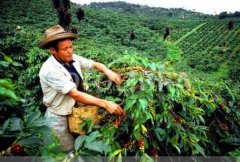
A brief introduction to the cultivation of Sidamo Shakiso boutique coffee beans, geographical location, climate and altitude
Ethiopian coffee beans grow in close to the natural environment, after years of planting under the same growth conditions, Ethiopian coffee beans have gradually adapted to the environment here. More than 60% of coffee beans are grown in forests or semi-forests. Large-scale coffee-growing villages account for about 35% of the country's total coffee production. Many of these are used.

Detailed introduction of Kenya Gatomboya Cooperative Gatoboa Cooperative
For the exchange of professional baristas, please follow the coffee workshop (Wechat official account cafe_style) Kenya AA-Gatomboya Cooperative Gatoboa Cooperative Kenya is a model country for producing fine coffee beans. Coffee was introduced from Britain in 1900, and only traditional Arabica did not have the best bourbon species of SL28 and SL34 in Kenya until 1950.

Kenya Coffee Origin list of Kenya Coffee Manors
Professional coffee knowledge exchange more coffee bean information please follow the coffee workshop (Wechat official account cafe_style) Kenya, the full name of the Republic of Kenya, is located in eastern Africa, the equator runs across the central part of the East African Rift Valley across the north and south. It is bordered by Somalia to the east, Tanzania to the south, Uganda to the west, Ethiopia and Sudan to the north, and the Indian Ocean to the southeast. Multiple plateaus in the territory, average

There are absolutely no series in the ranking of coffee beans in the world | introduction to the grading system of Rosa Coffee
Professional coffee knowledge exchange more coffee bean information please follow the coffee workshop (Wechat official account cafe_style) front street-Panama Emerald Manor grading introduction Geisha coffee beans can be said to be the most famous and expensive variety of coffee beans in recent years! And this origin can be said to be Panamanian boutique coffee, as early as before 2004, Panamanian boutique coffee was not received by the country.

Ethiopian coffee production methods how Ethiopian coffee is produced sustainably
Ethiopian coffee production methods Ethiopian coffee is usually produced in a sustainable manner, mostly as garden coffee. This means that it is planted by farmers near their houses and is often intercropped with other plants. It is also common for producers to grow coffee in the semi-forest system. In the semi-forest system, the natural forest is transformed and trimmed.

A brief introduction to the Origin, Development, History and Culture of Sidamo Shakiso Fine Coffee beans
Ethiopian coffee beans grow in close to the natural environment, after years of planting under the same growth conditions, Ethiopian coffee beans have gradually adapted to the environment here. More than 60% of coffee beans are grown in forests or semi-forests. Large-scale coffee-growing villages account for about 35% of the country's total coffee production. Many of these are used.
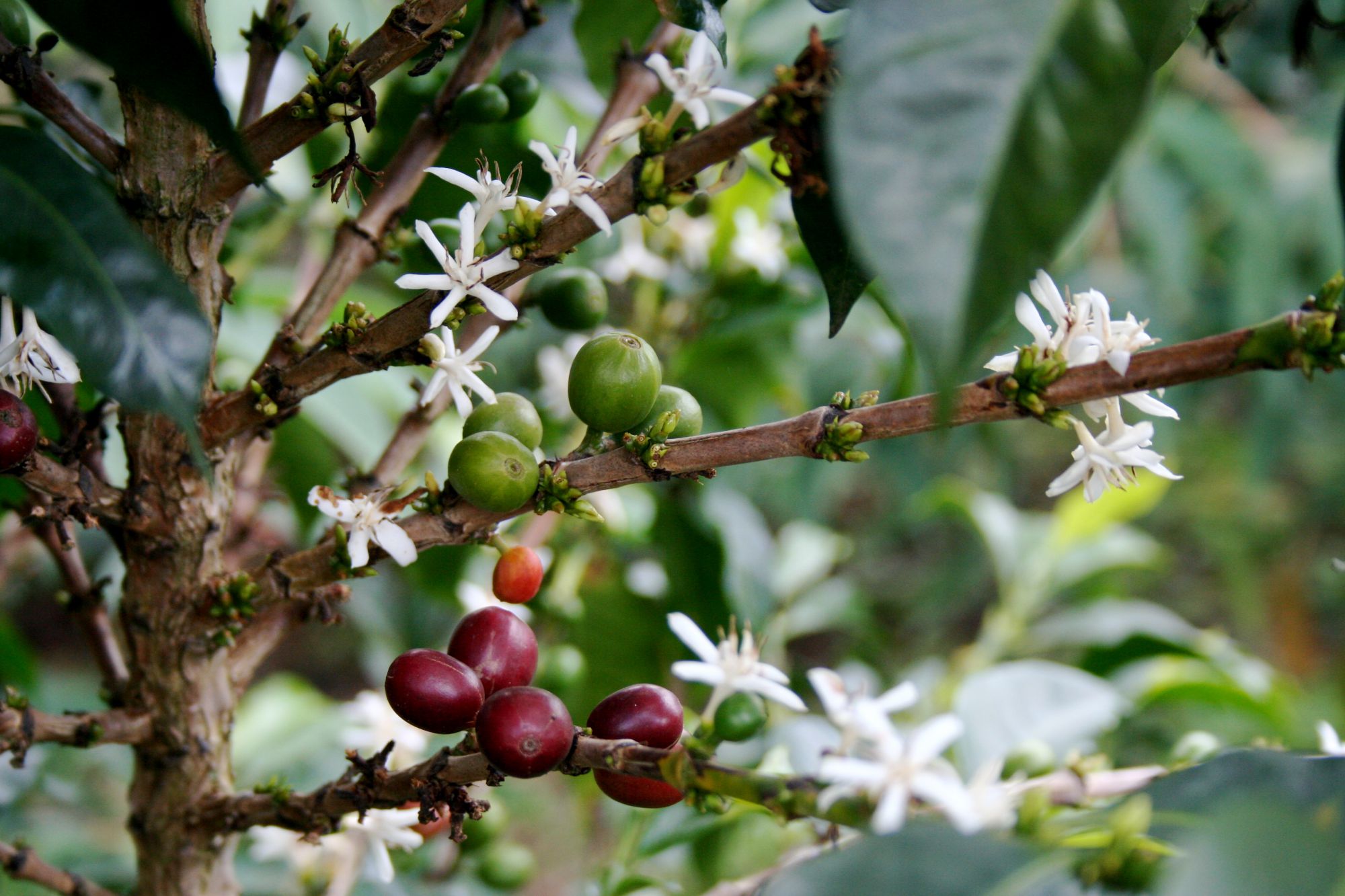
Excellent cup of coffee, champion coffee bean COE evaluation table, COE coffee cup meter
COE coffee cup meter, excellent cup of boutique coffee, extraordinary cup champion coffee bean COE evaluation table Cup of Excellence referred to as COE. "COE coffee cup meter, excellent cup boutique coffee, extraordinary cup champion coffee bean COE evaluation table" COE--Cup of Excellence Cup of Excellence referred to as COE, a boutique coffee rating system. Cup of Excellenc

The growing environment of coffee
Coffee is native to tropical Africa, the small seed is originated in the tropical plateau of Ethiopia, between 900 and 1800 meters above sea level, with an average annual temperature of 19C; the medium seed is native to the tropical rain forest region of the Congo, below 900 meters above sea level, with an average annual temperature of 2126. C

A brief introduction to the market price of Sidamo Shakiso boutique coffee beans with lively and sour taste
Antigua coffee can be traced back to the Mayan civilization. Due to the eruption of the volcano, the soil here is more nutritious, and the sufficient sunlight and moisture also make the coffee produced excellent quality. Most importantly, the residents here insist on growing Arabica bourbon coffee, although the yield is small, but the texture is better. Because the residents of Antigua grow coffee in a large area,
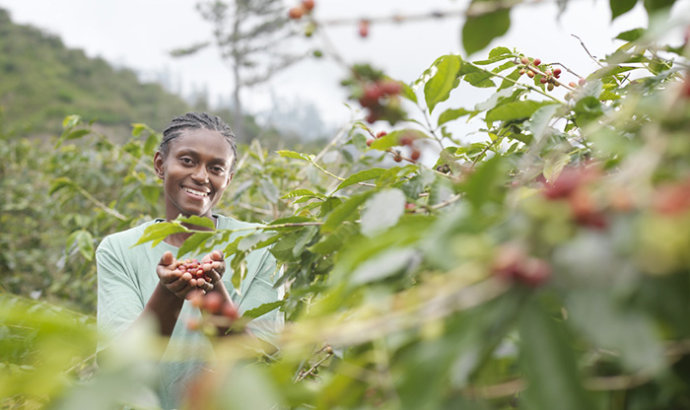
The abnormal prosperity of Brazil's "coffee kingdom"
From the early 16th century to the 1820s, Portugal colonized Brazil for more than 300 years. Portugal colonial rule had a profound impact on Brazil's economy, politics, society and culture. Single product system and large estate system became fetters restricting the development of modern Brazil's economy. Due to the incomplete nature of the independence movement, Brazil remained a colony for 100 years after independence.

Brazilian coffee boutique coffee Brazilian coffee flavor
In recent years, coffee producing countries no longer blindly pursue high output while neglecting quality. Many countries have begun to introduce a new coffee evaluation system in order to arouse the enthusiasm of producers and promote the production of fine coffee. For example, Brazil began to implement the Cup of excellence coffee rating system in 1999 in order to better subdivide boutique coffee. And boutique coffee has become

What you should know about single coffee the meaning and relationship between single coffee and hand brewed coffee
Professional coffee knowledge exchange more coffee bean information please follow the coffee workshop (Wechat official account cafe_style) popular science | Coffee variety knowledge, the type and taste of individual coffee introduction, single bean price you have walked into a coffee shop, see other people's coffee, wonder why everyone is ramming individual coffee? What does that mean? Does it have any special meaning? You're not in the minority.

Introduction to the flavor characteristics of coffee in Xidamo Chiso producing area of Ethiopia with endless aftertaste
In February 1977, Lieutenant Colonel Mengistu Haier Maryam (MENGISTU HAILE MARIAM) launched a military coup and served as Chairman of the interim military Administrative Council and head of State. In 1979, the Ethiopian Labor people's Party Organization Committee, dominated by soldiers, was established to implement an one-party system. In 1984, the Ethiopian Workers' Party was formed according to the Soviet Communist Party model. Mengistu, September 1987

Kenya AA boutique manor coffee beans Kangguqi Kangocho Farm Gikanda FCS Cooperative
Professional coffee knowledge exchange more coffee bean information please follow the coffee workshop (Wechat official account cafe_style) Kenya AA boutique manor coffee beans Kangguqi Kangocho farm Gikanda FCS cooperative flavor and taste characteristics? Kenya is a model country for producing fine coffee beans. Coffee was introduced from Britain in 1900, and only traditional Arabica trees were planted until 1900.